Flora Raetica relies on the dedication of its volunteers. Through their observations, they make an important contribution to documenting the flora of Graubünden.
In our portrait series, we introduce the people behind Flora Raetica.
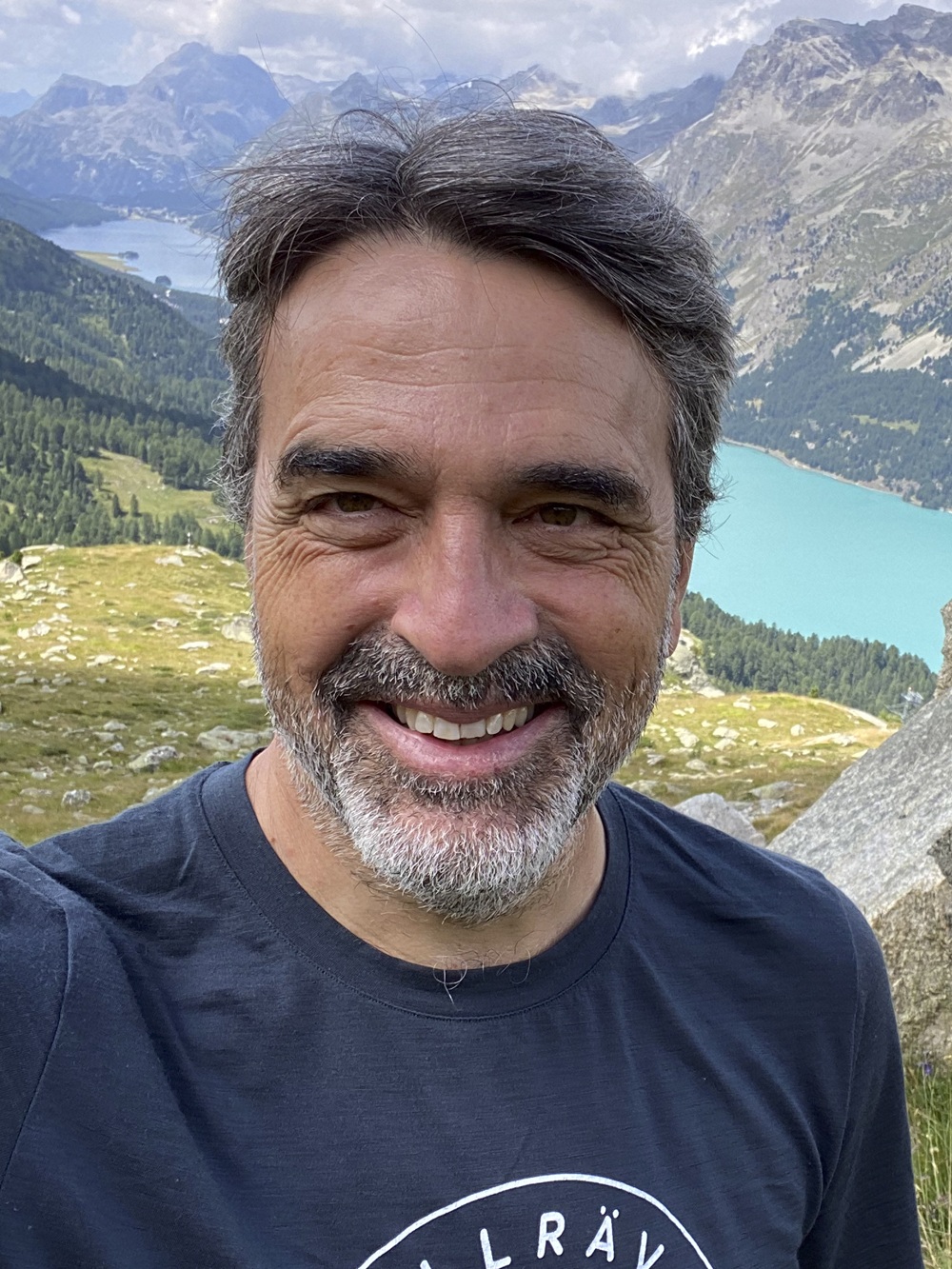
Today: Urban Angehrn, a member of the board of directors from Greifensee. He has been involved in the project since spring 2022.
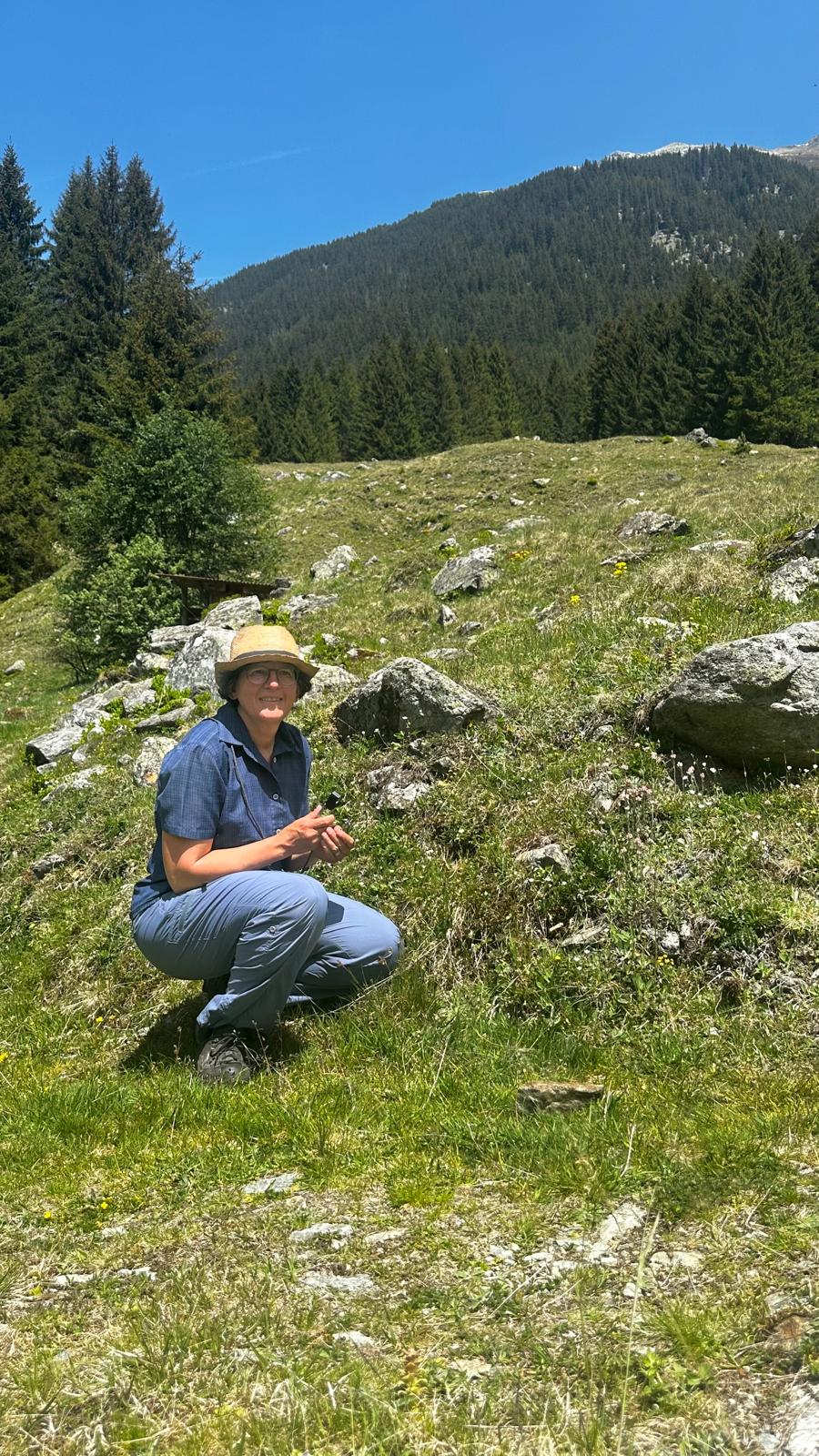
Photo: Urban Angehrn (selfie)
Urban, what do you love about plants?
The diversity and the beauty.
How did you get into botany?
As a schoolboy, I knew a thing or two about plants. My mother was a farmer and taught us children the names of some plants. During a sabbatical between two jobs in 2005, I bought my first digital camera and the first edition of «Flora Helvetica», partly thanks to my wife’s encouragement. Botany has been my hobby ever since.
Do you have a favorite plant that grows in Graubünden? Why that one in particular?
Cortusa matthioli, the bellflower. I first saw it in Val Sinestra in 2009. It’s a fascinatingly beautiful plant that grows only hidden in the shade.
Which plant did you only come to appreciate at second glance?
Especially the species in the genus Carex (sedges).
Why are you involved with Flora Raetica?
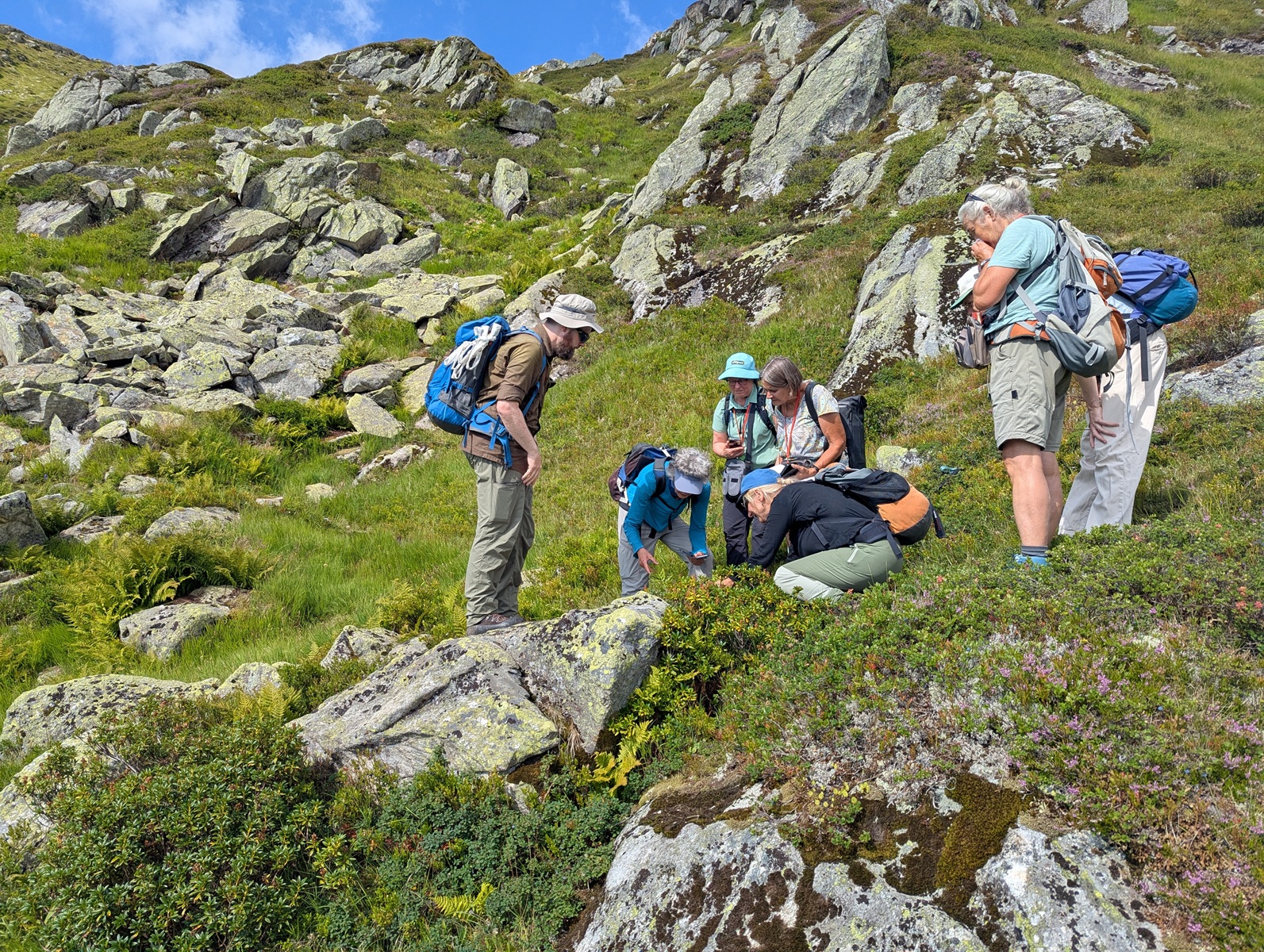
Flora Raetica is the ideal project for me: I’ve been coming to Graubünden on vacation for over 50 years. I’ve been leading botanical field trips here for over 20 years. And I’ve had a second home in Klosters for 10 years. The project is well organized, and on our group field trips, we enjoy great camaraderie and many keen eyes.
What is your contribution to Flora Raetica?
Every year, I provide the project with several hundred sighting reports and, whenever possible, document them with good photos that Flora Raetica can also use if needed. Together with the project coordinator, I manage the Instagram account @floraraetica. And I also enjoy going on field missions—sometimes even with success!
Was there a discovery or moment outdoors that you’ll never forget?
I knew that the lake quillwort ( Isoetes lacustris ) grows in Laghetto Moesola on the San Bernardino Pass. On my first visit, I actually spotted some of these primitive little plants right away—they had washed up on the shore—an unforgettable moment.
Do you have a personal nature tip related to botany for Graubünden?
Don’t just visit the botanical “hot spots” like the Lower Engadine or Davos. Hike into valleys and up mountains that are off the beaten path, keep your eyes open, and let yourself be surprised!
Would you like to support Flora Raetica, too? You can find all the information you need to get involved here.