
Well over a hundred volunteers have been documenting the flora of Graubünden since 2021—with 350,000 sightings reported so far and the first interesting results emerging.
As part of the “Flora Raetica” project, some 130 botany enthusiasts have so far been cataloging the ferns and flowering plants of Graubünden. By 2032, this data is expected to result in a new “Flora of Graubünden”—one hundred years after the seminal work of the same name by Josias Braun-Blanquet and Eduard Rübel.
Already 350,000 plant observations
Since 2021, volunteers have recorded 350,000 plant observations and documented 2,700 species. In 2025 alone, 113,000 new sightings were added.
“Thanks to the many new observations, we are getting an accurate picture of where specific plants grow in Graubünden and how common they are,” says Christian Rixen, co-director of Flora Raetica and a researcher at the WSL Institute for Snow and Avalanche Research (SLF).
Fewer field weeds, more neophytes
Even at the halfway point of the project, the growing volume of data is already allowing for initial scientific analyses. A master’s thesis at the SLF shows that 6.5 percent of the species that were present in the 1930s have not been confirmed since then. Half of these 144 species are considered endangered according to Switzerland’s Red List.
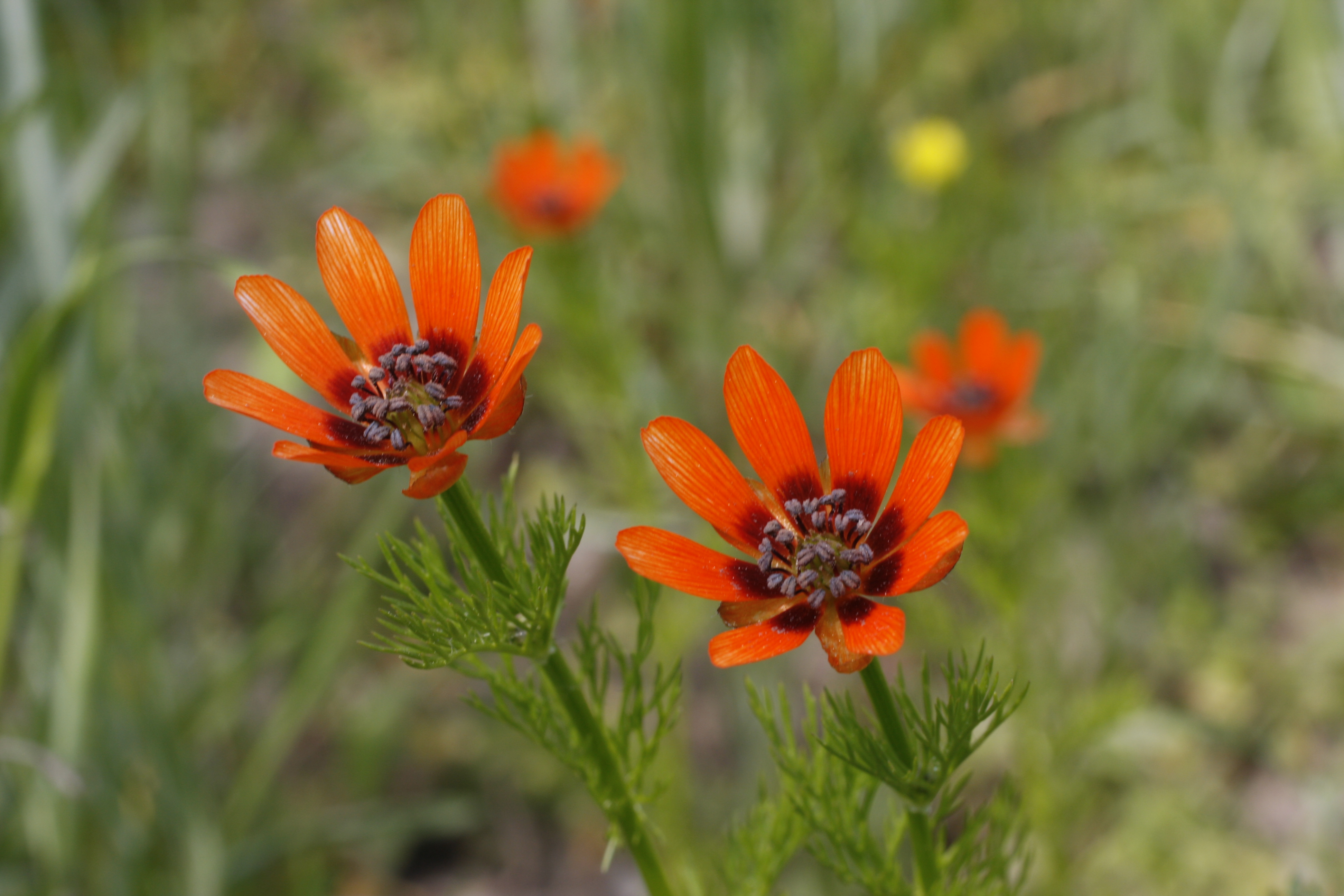
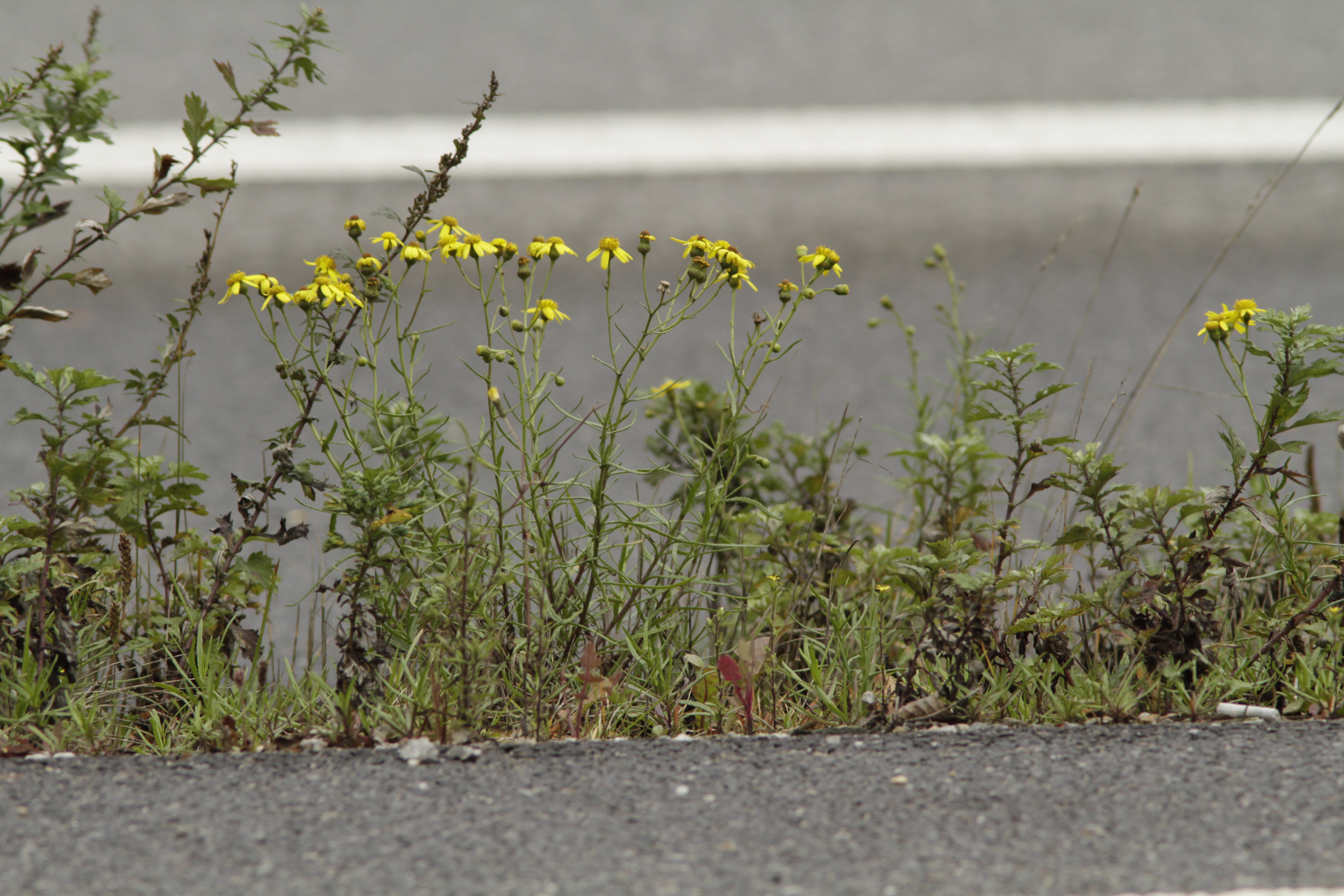
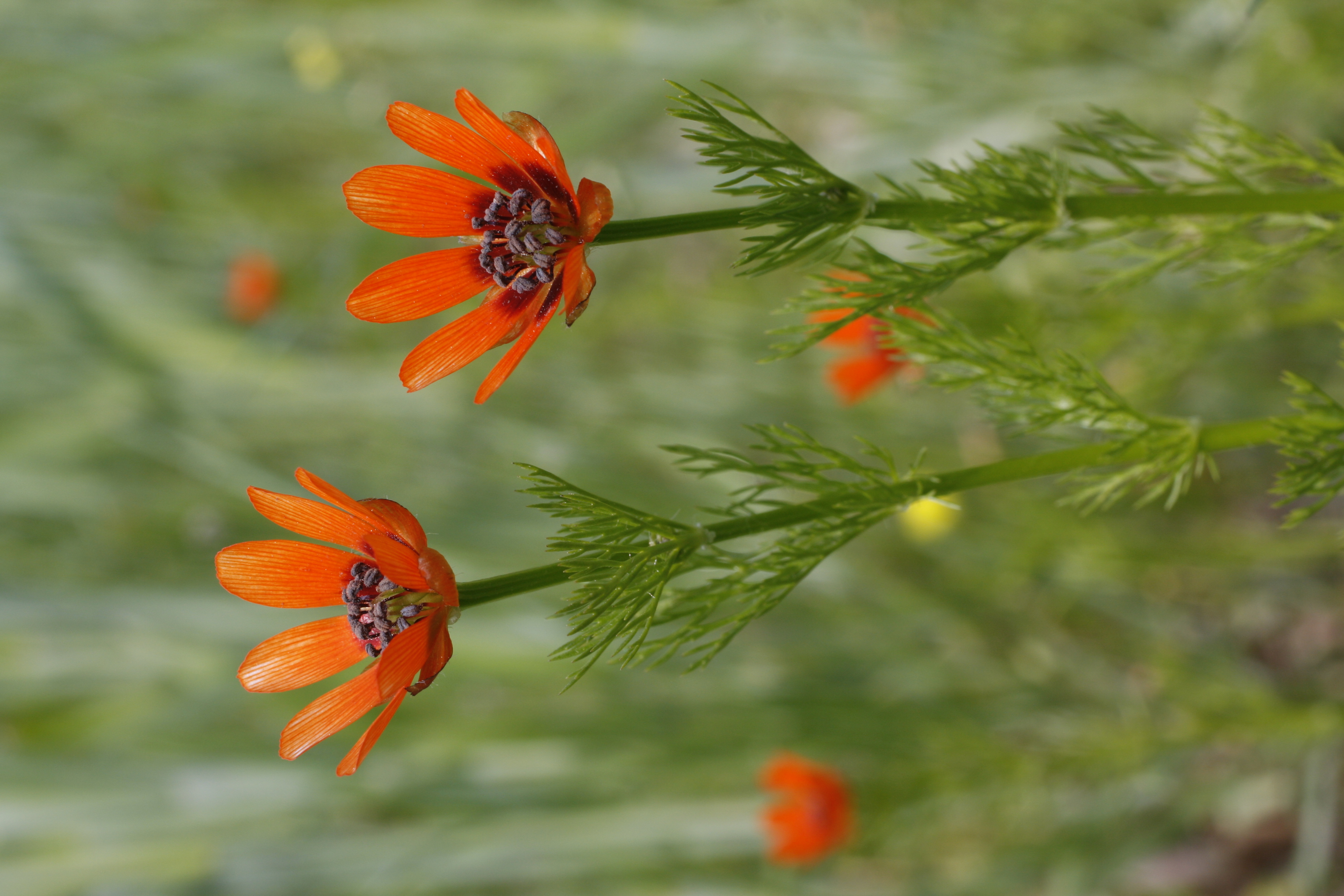
Species that depend on extensive, small-scale agricultural landscapes are particularly affected, such as lowland field plants like the summer blood-drop. At the same time, new plants are spreading: 13 percent of the species recorded today were not part of Graubünden’s flora a hundred years ago. These include the silver poplar and the European hornbeam, as well as many neophytes, such as the South African ragwort.
Surprising Rediscoveries
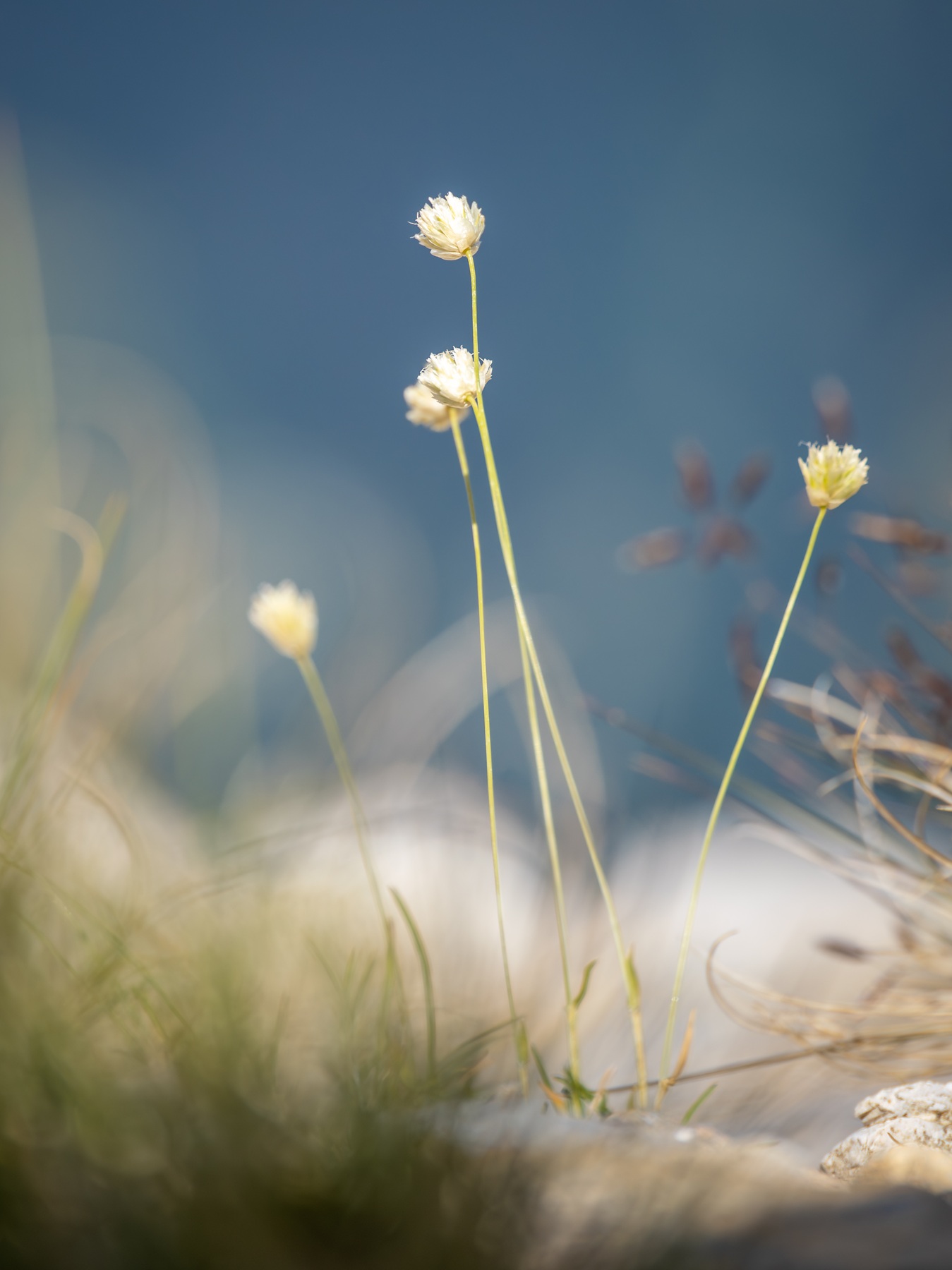
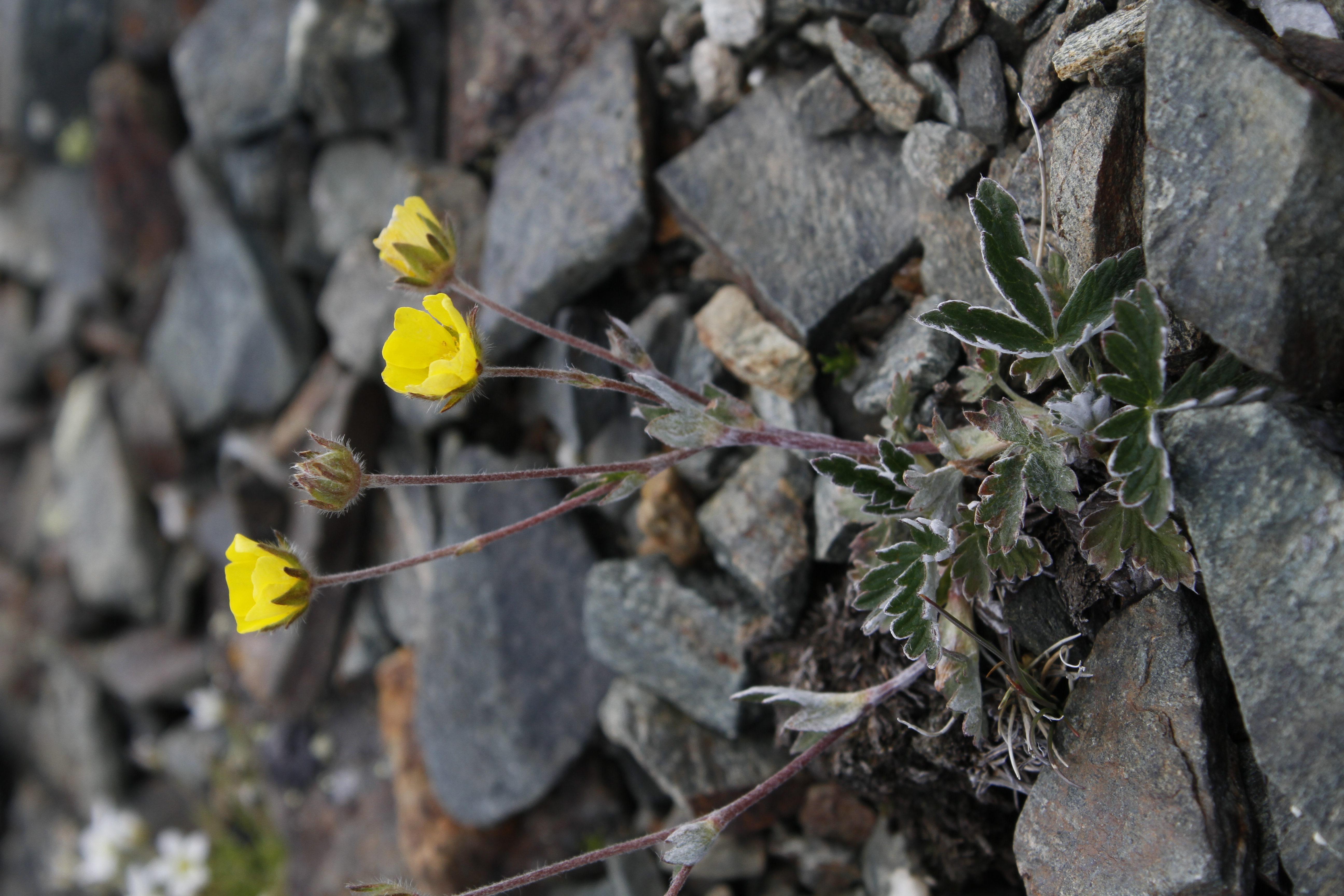
“Even though the data is still preliminary, it already clearly shows how much the plant life has changed over the past hundred years,” says Christian Rixen. “At the same time, we keep discovering unexpected species in places where no one has looked for a long time.” For example, a member of the Flora Raetica team was able to confirm the presence of the extremely rare snow-white cinquefoil above Davos for the first time since 1916.
Further analyses are intended to show how climate change and changes in land use affect biodiversity—and to provide important insights for the conservation of endangered species and habitats.
Research as a Collaborative Effort
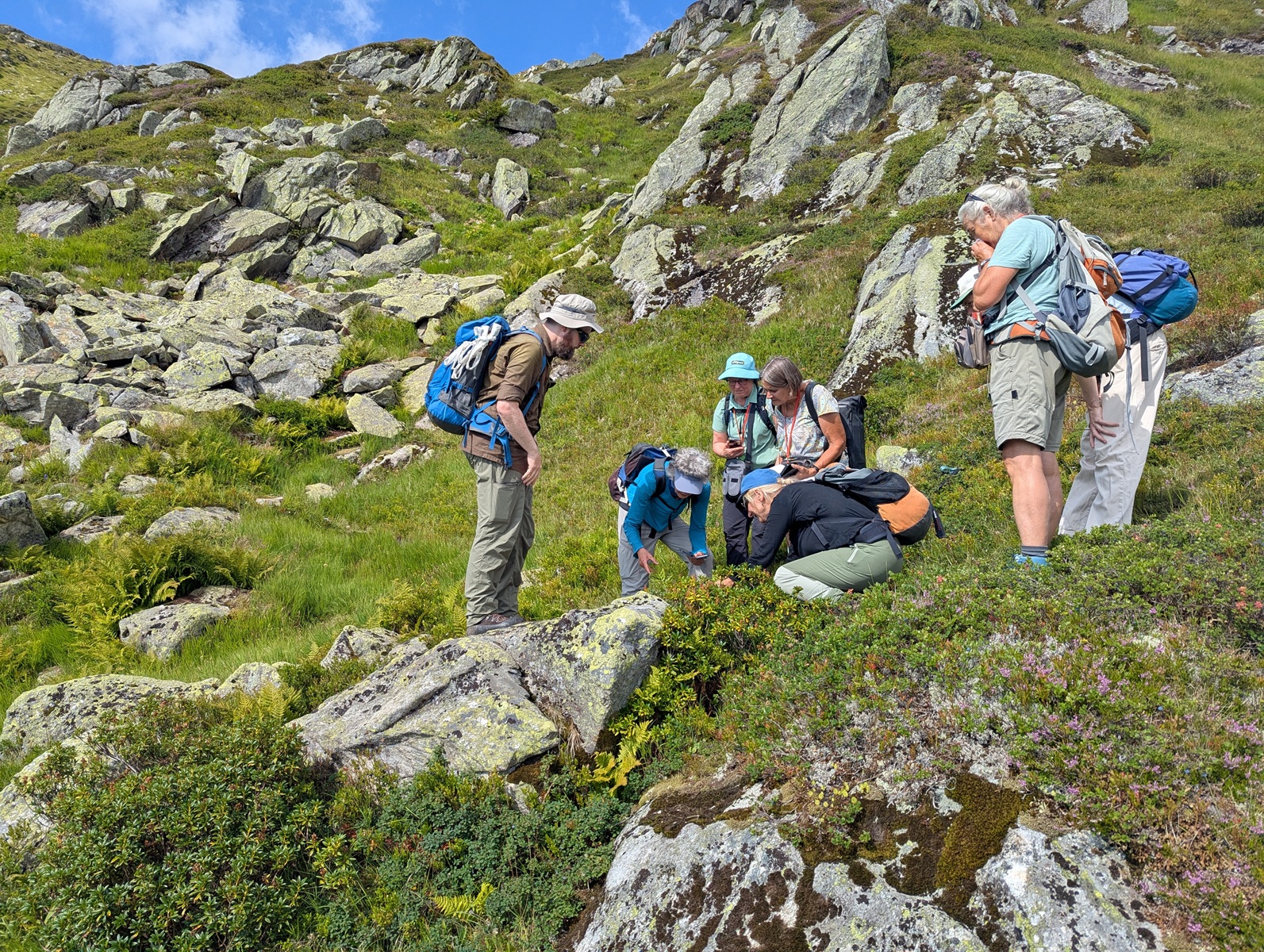
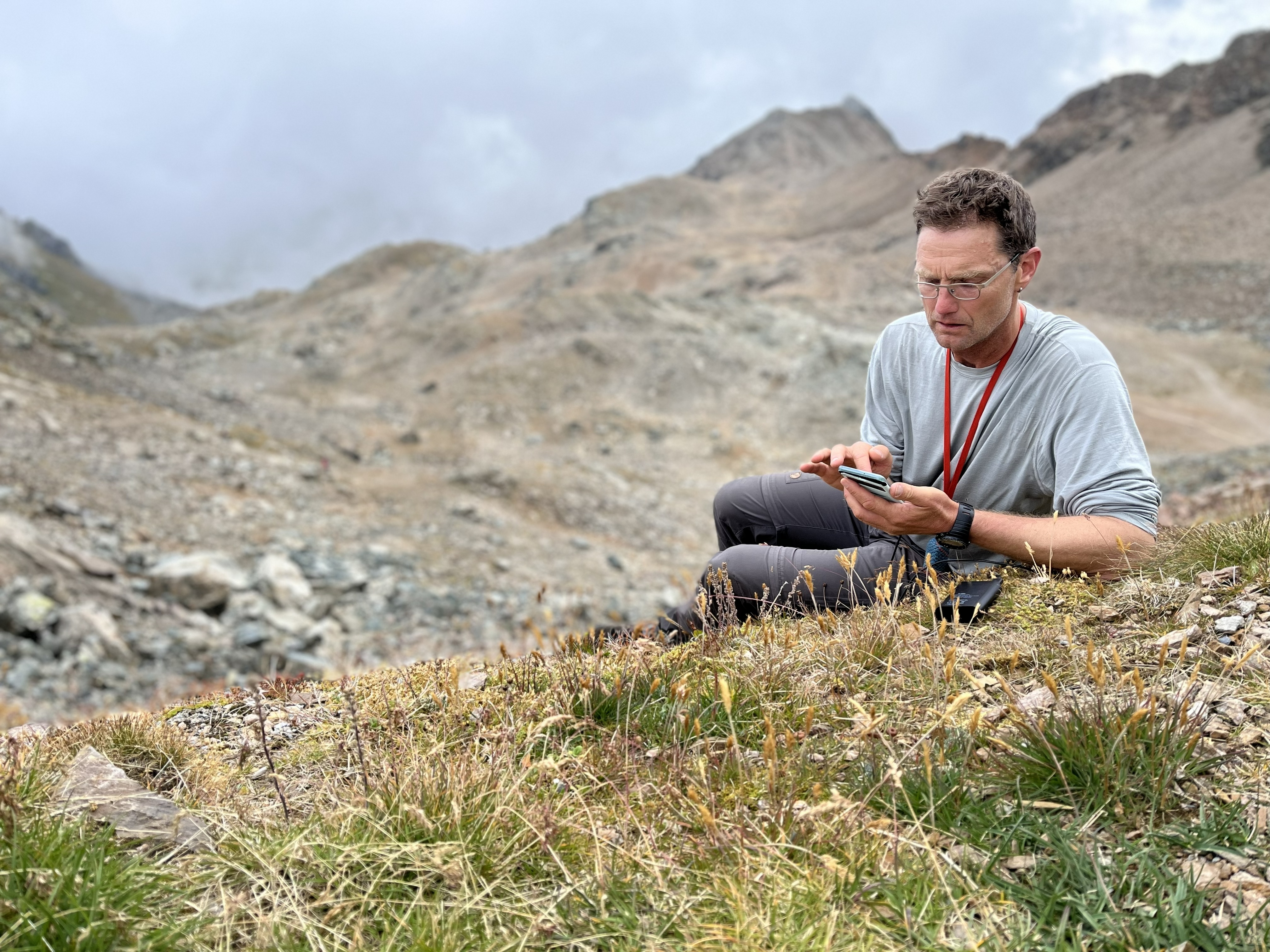
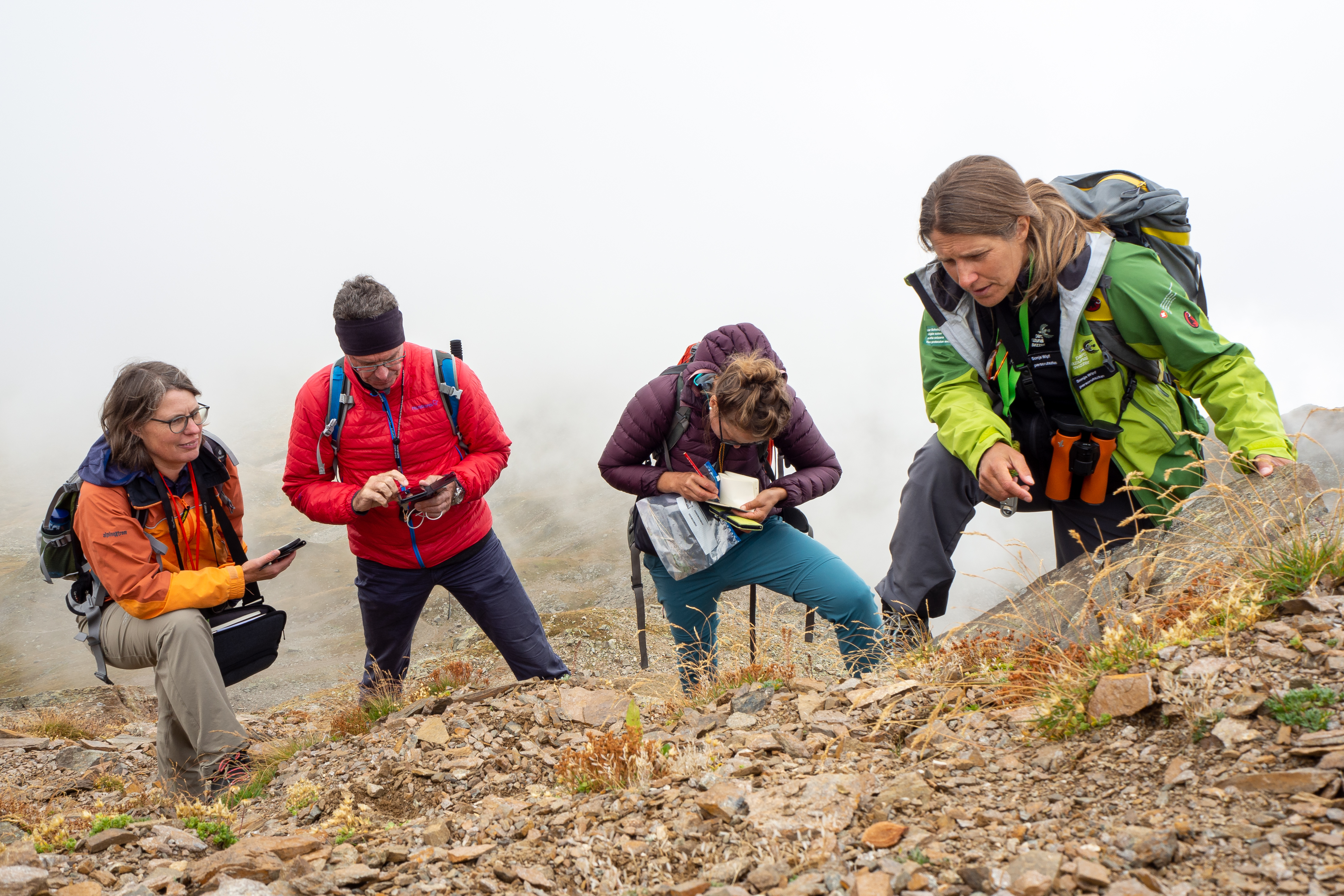
Flora Raetica is a citizen science project. The data comes not only from experts, but primarily from people who devote their free time to the plant world—from a financial expert in the canton of Zurich to a social worker in Chur. They report their observations via an app or participate in group mapping events. “Without the tremendous work of the volunteers, this project would be impossible,” says Christian Rixen. “It combines research with a genuine joy of discovery.”
A Look at the Second Half of the Project
To date, regions along the main valleys and transportation routes have been particularly well studied. In contrast, significant gaps remain in more remote areas such as parts of the Surselva, the Safiental, the Schams, the Bergell, and the Puschlav.
The plant surveys will continue through 2028. Afterward, the project leaders will conduct a scientific analysis of all the data. Finally, a richly illustrated book is scheduled to be published in 2032—as a botanical record of our times for future generations.
Contact
Co-Project Leader, Flora Raetica
Christian Rixen Thomas Wohlgemuth
rixen(at)slf.ch thomas.wohlgemuth(at)wsl.ch
+41 81 417 02 14 +41 44 739 23 17
Flora Raetica Coordinator
Ingrid Jansen
ingrid.jansen(at)wsl.ch
+41 78 625 27 36
Flora Raetica at a Glance:
- Flora Raetica is a citizen science project. With the help of volunteers, it systematically documents the flora of Graubünden.
- The project shows how the flora of Graubünden has changed since the last comprehensive survey by Braun-Blanquet and Rübel 100 years ago.
- Since 2021, 350,000 new plant observations have been recorded. This data serves as an important foundation for the conservation of biodiversity.
- Everyone is invited to participate in this once-in-a-century project—from beginners to professionals. Every observation counts.
- Contact and further information: florae.ch
Press Photos
Download the images
Right-click on the image you want to download it.
All images can be downloaded from the following link: Download
Copyright
Flora Raetica provides images free of charge for use in press coverage related to this press release. The inclusion of this material in image databases and its sale by third parties are not permitted.