Flora Raetica thrives on the dedication of its volunteers. Through their observations, they make an important contribution to documenting the flora of Graubünden.
In our profile series, we introduce the people behind Flora Raetica.
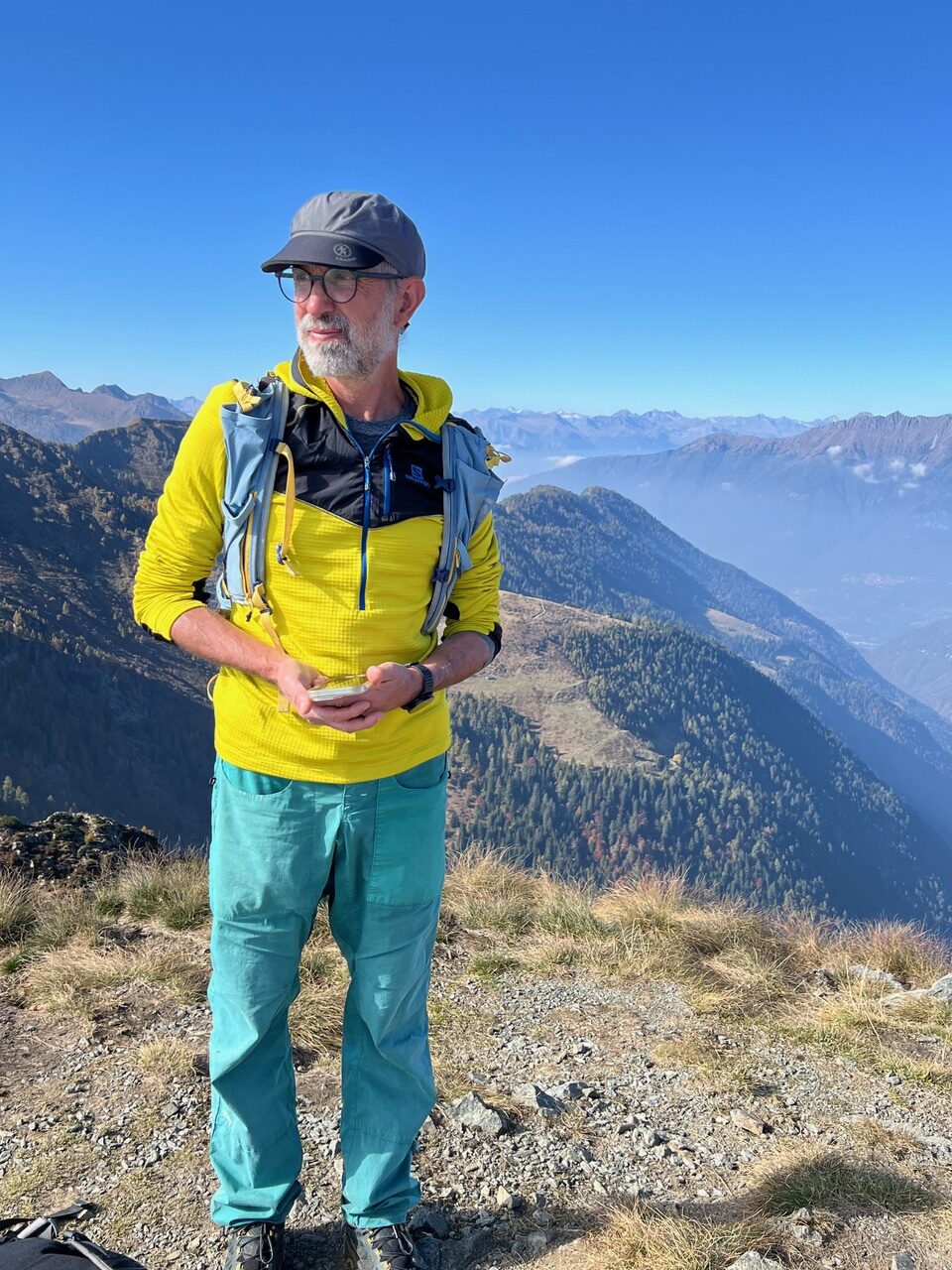
Today: Martin Schneebeli, a self-employed environmental engineer from Davos. He has been involved with the project since 2022.
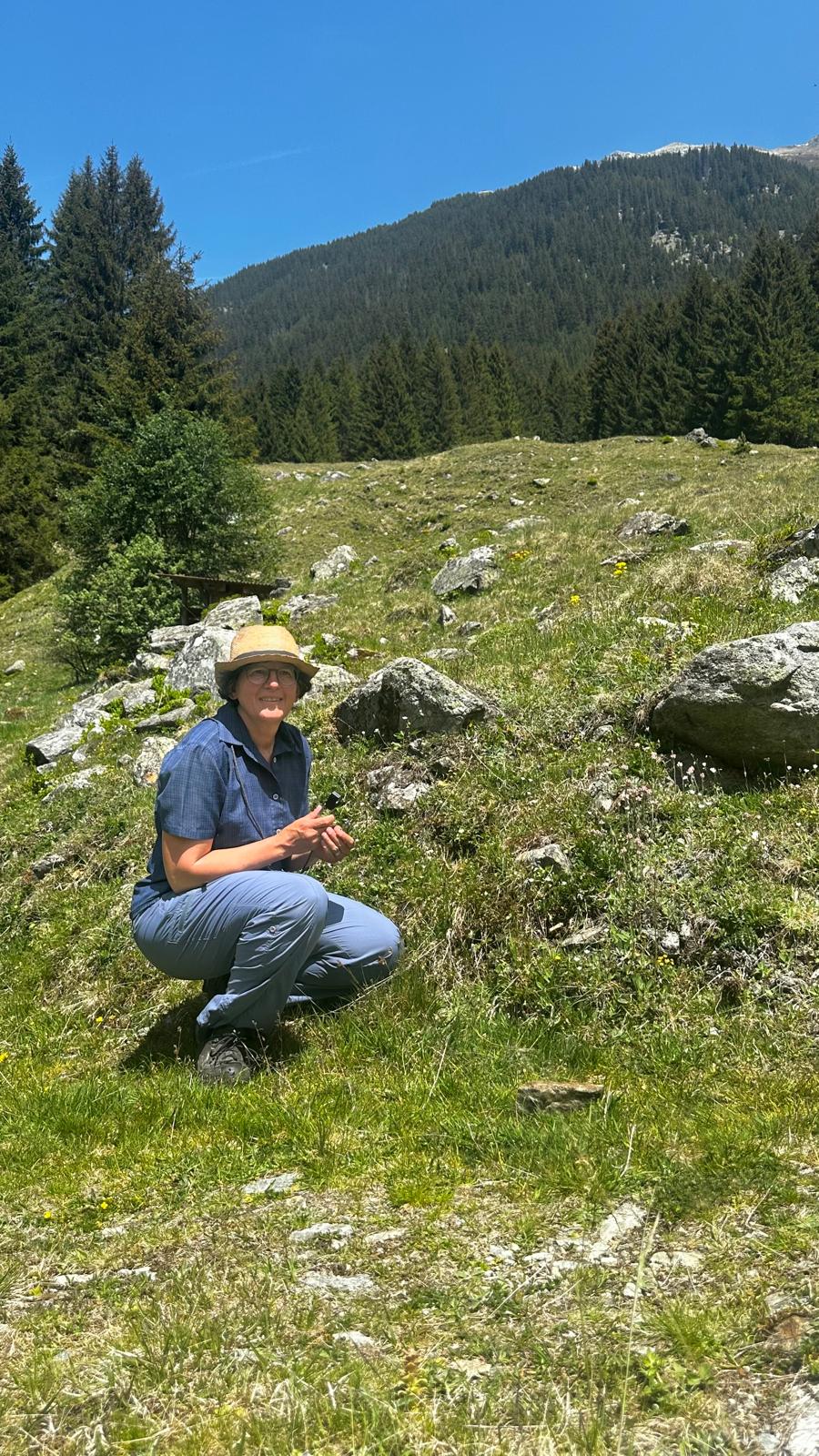
Pictured: Martin Schneebeli in the Orobic Alps. Photo: Gabi Schneebeli.
Martin, what fascinates you about plants?
I find it fascinating how much each plant reveals about its habitat and how plants, through their diversity, create a mosaic.
Do you have a favorite plant that grows in Graubünden? Why that one in particular?
The “Himmelsherold ” (Eritrichum nanum). I love its bright blue color and fuzzy texture nestled among the rocks.
Which plant did you only come to appreciate at second glance?
The members of the stonewort family (Characeae).
Which season do you find most interesting from a botanical perspective—and why?
I don’t have a preference. Depending on the season, there are always exciting species, genera, or families to discover.
Why are you involved with Flora Raetica?
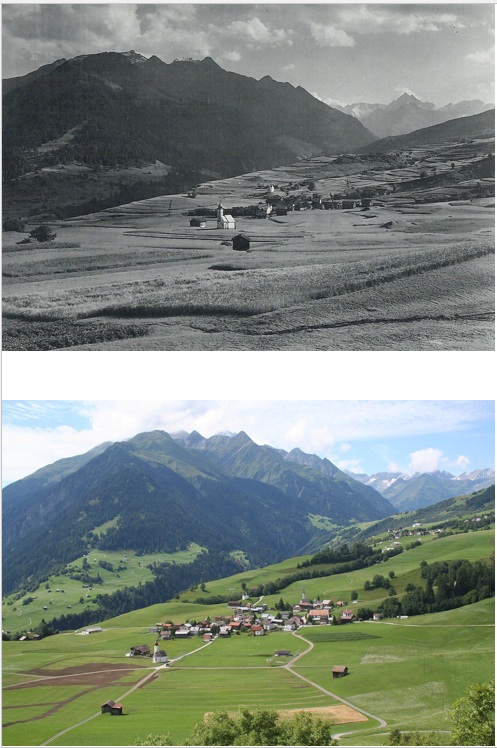
I’ve always been interested in comparing the past with the present. And I get to learn about so many new areas and plants.
What is your contribution to Flora Raetica?
According to the online field guide, more than 10,000 observations so far. I’m also particularly interested in alpine areas.
What do you particularly enjoy about working on this project?
The collaboration and openness of all the team members.
Is there a highlight or a particularly exciting discovery you’ve come acrossduring your explorations for Flora Raetica?
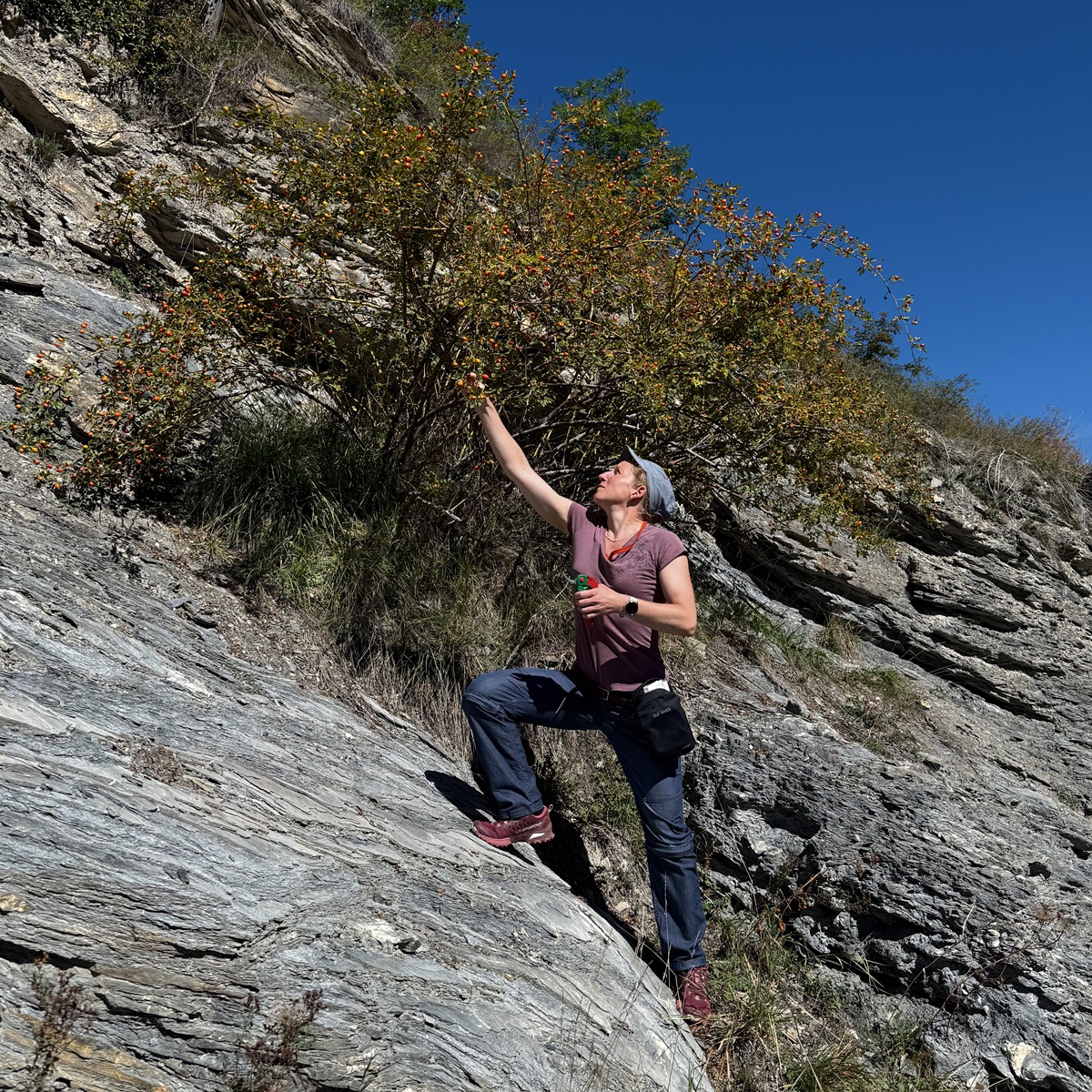
Just this fall, I discovered how many species of roses grow along an inconspicuous wall in Brienz/Brinzauls.
Have you ever experienced a funny or unexpected situation during a FloRae field trip?
When searching for aquatic plants, the grappin (throwing anchor) sometimes gets caught between the rocks—and then you have to wade into the cold water.
What does a successful day in the field mean to you?
If things don’t quite go as planned with the plants, then the landscape makes up for it. Actually, for me, there’s no such thing as an unsuccessful day in the field.
What never ceases to surprise you about Graubünden’s flora?
How rich it is—Graubünden has so many different types of rock and climate zones.
What advice would you give to people interested in plants in Graubünden?
Go on botanical field trips! There are plenty of options, whether through the Graubünden Botany Club or, for example, via feldbotanik-gr.ch.